St Eugene de Mazenod (1782–1861), founder of the Missionary Oblates of Mary Immaculate, is the patron of St Eugene College. His life story speaks powerfully to our contemporary context and continues to inspire our community today.
Born into privilege in Aix‑en‑Provence, France, in 1782, Eugene’s early life was profoundly disrupted by the French Revolution. Forced into exile with his family, he experienced displacement, uncertainty, and the loss of wealth and security. These formative experiences shaped his deep compassion for those who were spiritually and materially poor and strengthened his conviction that every person has inherent dignity.
On returning to France as a young adult, Eugene responded not with bitterness, but with purpose. Drawn away from a life of comfort, he committed himself to serving others through the priesthood. As a priest, and later as Bishop of Marseilles, Eugene devoted his life to preaching the Gospel in ways people could understand, especially reaching out to those on the margins of society. He travelled from village to village, ministered to prisoners, and worked tirelessly to restore hope and dignity to those who felt forgotten.
In 1826, Eugene founded the Missionary Oblates of Mary Immaculate, a religious congregation dedicated to serving the poor and the most abandoned. His vision reflected a bold, outward‑looking faith, one that dared to go where others would not. Even as Bishop, Eugene continued to guide and support the Oblates, sending them on missions across the world. Today, the Oblates continue this mission in more than 65 countries.
Eugene’s life of faith, service, and virtue was formally recognised by the Church, and on 3 December 1995, Pope John Paul II canonised him a Saint.
This same spirit continues to animate St Eugene College. Inspired by our patron, we encourage students to “Enter to Learn, Dare to Grow, Leave to Serve”, forming young people who recognise their gifts, grow in faith, hope and love, and use their learning in service of others. Guided by St Eugene’s belief that we are called to be “humans first, then Christians, and finally saints,” our community is challenged to live with courage, compassion, and a deep commitment to the dignity of all.
For more information visit the Oblates website
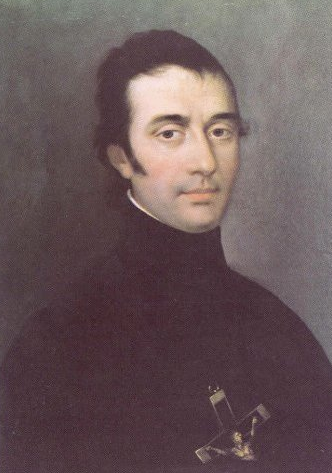
N.N., Public domain, via Wikimedia Commons